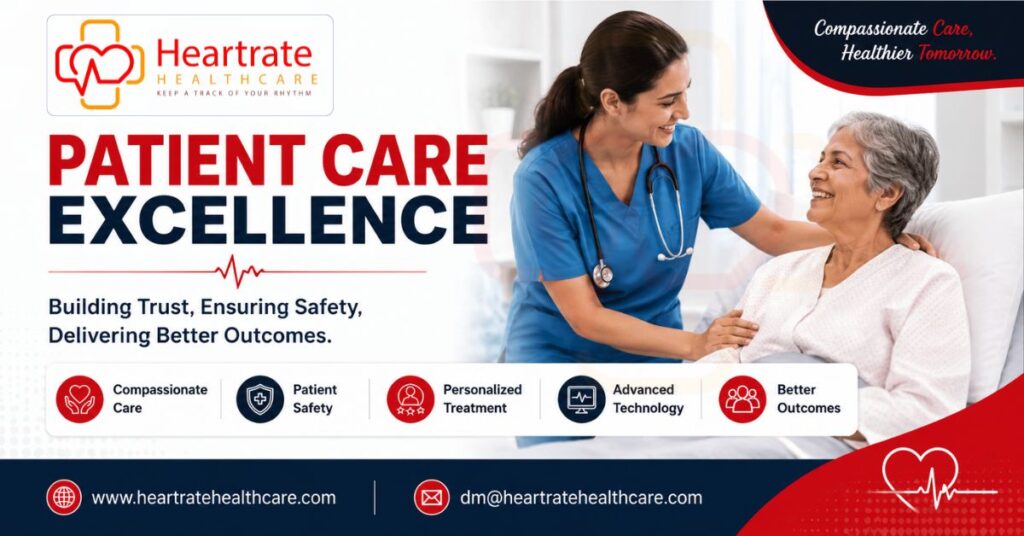

In today’s rapidly evolving healthcare environment, Patient Care has become one of the most important factors influencing treatment outcomes, patient satisfaction, and organizational success. At Heartrate Healthcare (HRHC), delivering exceptional Patient Care is more than a responsibility—it is a commitment to improving lives through compassion, innovation, and clinical excellence.
Healthcare organizations around the world are focusing on improving services, adopting advanced technologies, and creating personalized treatment plans. However, the foundation of every successful healthcare system remains Patient Care. Whether a patient visits a clinic for a routine checkup or receives treatment for a complex medical condition, the quality of care they receive directly impacts their experience and recovery journey.
Understanding the Importance of Patient Care
Patient Care refers to the services, support, treatment, and attention provided to individuals seeking medical assistance. It encompasses physical, emotional, psychological, and social support throughout the healthcare journey.
Modern healthcare is no longer limited to diagnosing illnesses and prescribing treatments. Patients expect healthcare providers to listen carefully, communicate clearly, and address their concerns with empathy. Effective Patient Care creates trust between healthcare professionals and patients, encouraging better adherence to treatment plans and improved health outcomes.
At Heartrate Healthcare (HRHC), healthcare professionals understand that every patient has unique needs. This patient-centered approach ensures that care plans are tailored to individual requirements, helping patients achieve the best possible outcomes.
Key Components of High-Quality Patient Care
Delivering exceptional healthcare services requires a comprehensive approach. Several factors contribute to effective Patient Care and long-term patient satisfaction.
1. Compassion and Empathy
Compassion is at the heart of quality healthcare. Patients often experience stress, anxiety, and uncertainty when facing medical challenges. Healthcare professionals who demonstrate empathy can help patients feel supported and understood.
Compassionate Patient Care involves active listening, respectful communication, and genuine concern for patient well-being. These qualities foster trust and create a positive healthcare experience.
2. Effective Communication
Clear communication is essential in healthcare settings. Patients need accurate information about diagnoses, treatment options, medications, and recovery expectations.
Strong Patient Care practices ensure that healthcare providers explain medical information in a way that patients can understand. This reduces confusion, increases patient confidence, and encourages active participation in healthcare decisions.
3. Patient Safety
Patient safety remains a top priority for healthcare organizations worldwide. Preventing medical errors, maintaining hygiene standards, and following evidence-based protocols are critical components of effective Patient Care.
Healthcare providers must continuously evaluate processes and implement safety measures to protect patients from preventable complications and risks.
4. Personalized Treatment Plans
Every patient is unique, with different medical histories, lifestyles, and health goals. Personalized Patient Care focuses on creating treatment strategies that address individual needs rather than applying a one-size-fits-all approach.
Customized care plans improve treatment effectiveness and enhance patient satisfaction by ensuring that healthcare solutions align with patient preferences and circumstances.
The Role of Technology in Patient Care
Technology has transformed healthcare delivery across the globe. From electronic medical records to telemedicine platforms, technological advancements have significantly improved Patient Care.
Digital healthcare systems allow providers to access patient information quickly, reducing delays and improving clinical decision-making. Telehealth services enable patients to consult healthcare professionals remotely, increasing accessibility and convenience.
Artificial intelligence, predictive analytics, and remote monitoring devices are also enhancing Patient Care by helping providers detect health risks earlier and deliver timely interventions.
At HRHC, integrating innovative healthcare technologies supports better patient engagement, streamlined operations, and improved treatment outcomes.
Patient Care and Healthcare Outcomes
Research consistently shows that high-quality Patient Care leads to better healthcare outcomes. Patients who feel respected and supported are more likely to follow treatment recommendations, attend follow-up appointments, and maintain healthy lifestyles.
Positive healthcare experiences can contribute to:
- Faster recovery times
- Improved treatment adherence
- Reduced hospital readmissions
- Better chronic disease management
- Higher patient satisfaction
- Enhanced quality of life
When healthcare organizations prioritize Patient Care, they create an environment where patients are empowered to take an active role in managing their health.
Building Trust Through Patient-Centered Care
Trust is a fundamental element of successful healthcare relationships. Patients must feel confident that healthcare providers have their best interests in mind.
Patient-centered Patient Care emphasizes collaboration between healthcare professionals and patients. Instead of making decisions without patient input, providers involve patients in discussions about treatment options and healthcare goals.
This collaborative approach helps patients feel valued and respected while improving overall satisfaction with healthcare services.
Trust also encourages open communication, allowing patients to share symptoms, concerns, and preferences more freely. This information helps providers make more informed decisions and deliver better care.
The Impact of Healthcare Professionals on Patient Care
Healthcare professionals play a critical role in delivering exceptional Patient Care. Physicians, nurses, therapists, pharmacists, and support staff all contribute to the patient experience.
Professional expertise is essential, but technical skills alone are not enough. Successful healthcare providers combine clinical knowledge with strong interpersonal skills, empathy, and dedication to patient well-being.
Continuous training and professional development help healthcare teams stay updated on the latest medical advancements and best practices. This commitment to learning supports higher standards of Patient Care and clinical excellence.
Patient Satisfaction as a Performance Indicator
Patient satisfaction has become an important measure of healthcare quality. Healthcare organizations increasingly use patient feedback to evaluate services and identify opportunities for improvement.
High levels of Patient Care often result in positive patient experiences, stronger reputations, and increased patient loyalty.
Factors influencing patient satisfaction include:
- Quality of communication
- Waiting times
- Staff professionalism
- Facility cleanliness
- Treatment effectiveness
- Emotional support
Organizations that regularly collect and analyze patient feedback can make meaningful improvements that enhance healthcare delivery.
Preventive Healthcare and Patient Care
Preventive healthcare focuses on reducing the risk of illness before medical problems develop. Effective Patient Care includes educating patients about healthy lifestyle choices, routine screenings, and preventive measures.
Preventive healthcare strategies may include:
- Regular health checkups
- Vaccination programs
- Nutritional counseling
- Fitness recommendations
- Chronic disease monitoring
- Health education initiatives
By emphasizing prevention, healthcare providers can help patients maintain better health and reduce the likelihood of serious medical complications.
The Connection Between Patient Care and Mental Well-Being
Healthcare extends beyond physical treatment. Mental and emotional health significantly influence overall wellness and recovery.
Quality Patient Care recognizes the importance of addressing psychological needs alongside medical concerns. Patients coping with chronic illnesses, surgeries, or major diagnoses often benefit from emotional support and counseling services.
Providing holistic care improves patient resilience, reduces stress, and contributes to more positive healthcare experiences.
Challenges in Delivering Quality Patient Care
Despite significant advancements in healthcare, organizations continue to face challenges in maintaining high standards of care.
Common challenges include:
- Staff shortages
- Rising patient volumes
- Administrative burdens
- Limited healthcare resources
- Increasing healthcare costs
- Complex medical conditions
Addressing these challenges requires strategic planning, workforce development, and ongoing investments in healthcare infrastructure.
Organizations committed to excellent Patient Care continuously evaluate processes and implement solutions that improve efficiency without compromising quality.
The Future of Patient Care
The future of healthcare will be shaped by innovation, personalization, and data-driven decision-making. Emerging technologies and evolving patient expectations are creating new opportunities to enhance Patient Care.
Several trends are expected to influence healthcare delivery:
Artificial Intelligence
AI-powered tools can assist healthcare professionals in diagnosis, treatment planning, and risk assessment. These technologies support more accurate and efficient healthcare services.
Telemedicine Expansion
Virtual consultations are becoming increasingly popular due to their convenience and accessibility. Telemedicine enhances Patient Care by connecting patients with healthcare providers regardless of location.
Remote Patient Monitoring
Wearable devices and remote monitoring systems allow healthcare professionals to track patient health in real time. This enables earlier intervention and more proactive healthcare management.
Personalized Medicine
Advances in genetics and data analytics are making personalized medicine more accessible. Tailored treatment approaches improve effectiveness and support better patient outcomes.
Enhanced Patient Engagement
Digital platforms, mobile applications, and online health resources empower patients to participate more actively in their healthcare journey.
Why Patient Care Matters for Healthcare Organizations
Healthcare organizations that prioritize Patient Care gain significant advantages. Beyond improving patient outcomes, high-quality care strengthens organizational performance and community trust.
Benefits include:
- Improved patient retention
- Stronger reputation
- Better clinical outcomes
- Increased operational efficiency
- Higher employee satisfaction
- Enhanced regulatory compliance
At Heartrate Healthcare (HRHC), a commitment to excellence drives every aspect of healthcare delivery. By focusing on patient needs, fostering innovation, and maintaining high clinical standards, HRHC continues to support healthier communities and better healthcare experiences.
Best Practices for Improving Patient Care
Healthcare organizations can strengthen service quality by implementing proven best practices:
- Invest in staff training and development.
- Promote clear and transparent communication.
- Encourage patient participation in healthcare decisions.
- Utilize healthcare technology effectively.
- Monitor patient feedback regularly.
- Maintain strong safety and quality standards.
- Support interdisciplinary collaboration.
- Focus on preventive healthcare initiatives.
- Develop personalized treatment strategies.
- Continuously measure and improve performance metrics.
These practices help create a healthcare environment centered around patient needs and long-term wellness.
Conclusion
Exceptional Patient Care is the foundation of successful healthcare delivery. It influences patient satisfaction, treatment outcomes, safety, and overall healthcare quality. As healthcare continues to evolve, organizations must remain committed to compassion, innovation, and personalized services.
Heartrate Healthcare (HRHC) recognizes that every interaction matters. By prioritizing trust, communication, safety, and clinical excellence, HRHC strives to deliver healthcare experiences that improve lives and strengthen communities.
The future of healthcare depends on organizations that place patients at the center of every decision. Through continuous improvement, advanced technology, and unwavering dedication to quality, Patient Care will remain the driving force behind better health outcomes and sustainable healthcare success.