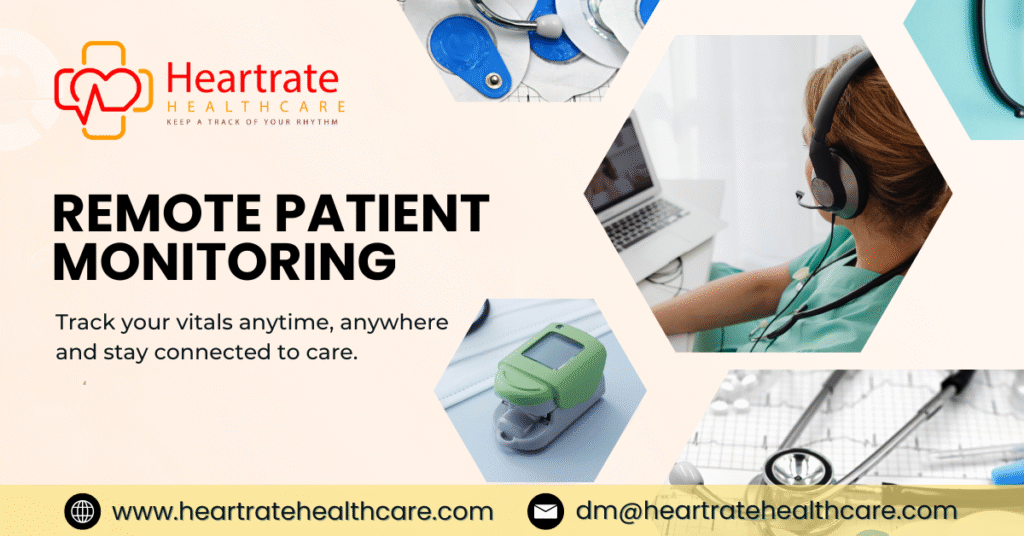

What Is Remote Patient Monitoring? A Complete 2026 Guide
Healthcare is changing rapidly. Technology now allows doctors to monitor patients without requiring frequent hospital visits. But what is remote patient monitoring, and why is it becoming essential in modern healthcare systems worldwide?
In this comprehensive guide, we will explain everything you need to know about what is remote patient monitoring, how it works, its benefits, challenges, and why healthcare providers are adopting it globally.
What Is Remote Patient Monitoring?
What is remote patient monitoring (RPM)?
Remote Patient Monitoring (RPM) is a healthcare technology that allows medical professionals to collect, monitor, and analyze patient health data from outside traditional clinical settings. This means patients can stay at home while doctors track their vital signs in real time.
RPM is part of telehealth and digital healthcare solutions. It uses connected medical devices to send patient data securely to healthcare providers.
In simple words:
Remote Patient Monitoring is the use of digital technology to monitor patients’ health remotely.
How Does Remote Patient Monitoring Work?
To understand what is remote patient monitoring, we need to understand how it functions.
RPM typically involves three main components:
1. Medical Devices
Patients use devices such as:
Blood pressure monitors
Glucose meters
Pulse oximeters
Heart rate monitors
Smart wearable devices
These devices automatically record health data.
2. Data Transmission
The devices send data through:
Mobile apps
Wi-Fi connections
Bluetooth-enabled systems
Secure cloud platforms
3. Clinical Review
Healthcare providers:
Analyze the incoming data
Detect abnormal patterns
Provide feedback
Adjust treatment plans
This system allows continuous monitoring without in-person visits.
Common Conditions Managed Through RPM
Remote Patient Monitoring is widely used for managing chronic conditions such as:
Diabetes
Hypertension
Heart disease
COPD (Chronic Obstructive Pulmonary Disease)
Post-surgical recovery
Elderly care
By continuously tracking vital signs, doctors can intervene early and prevent complications.
Key Benefits of Remote Patient Monitoring
Understanding what is remote patient monitoring also means recognizing its advantages.
1. Improved Patient Outcomes
Continuous tracking helps detect health issues early, reducing emergency hospital visits.
2. Reduced Hospital Readmissions
Hospitals can monitor discharged patients and prevent avoidable readmissions.
3. Increased Patient Convenience
Patients can receive care from home, saving time and travel costs.
4. Better Chronic Disease Management
RPM provides consistent monitoring, helping patients manage long-term conditions effectively.
5. Cost-Effective Healthcare
Remote monitoring reduces unnecessary clinic visits and lowers healthcare expenses.
Why Is Remote Patient Monitoring Growing Globally?
The global healthcare industry is adopting RPM rapidly due to:
Aging populations
Rising chronic diseases
Digital transformation in healthcare
Increased demand for home-based care
Healthcare workforce shortages
Governments and private healthcare providers worldwide are investing heavily in remote healthcare solutions.
Technology Behind Remote Patient Monitoring
Several technologies power RPM systems:
-
IoT (Internet of Things) medical devices
-
Cloud computing platforms
-
Artificial Intelligence (AI) for predictive analytics
-
Electronic Health Records (EHR) integration
-
Secure data encryption systems
These technologies ensure patient data is accurate, secure, and easily accessible to medical teams.
Challenges of Remote Patient Monitoring
While RPM offers many benefits, there are challenges:
-
Data security concerns
-
Internet connectivity issues
-
Patient technology literacy
-
Device costs
-
Regulatory compliance requirements
Healthcare providers must address these challenges to implement successful RPM programs.
The Role of Heartrate Healthcare (HRHC)
At Heartrate Healthcare (HRHC), we provide advanced Remote Patient Monitoring support solutions tailored for healthcare organizations worldwide.
Our services include:
-
RPM data management
-
Healthcare BPO support
-
Patient communication services
-
Technical support for connected devices
-
Compliance and documentation assistance
We help clinics, hospitals, and healthcare providers implement efficient remote monitoring systems while maintaining high-quality patient care.
With our expert healthcare support team, medical professionals can focus on clinical decisions while we manage backend operations smoothly.
Who Should Use Remote Patient Monitoring?
RPM is ideal for:
-
Hospitals
-
Specialty clinics
-
Primary care providers
-
Home healthcare agencies
-
Insurance providers
-
Healthcare startups
It is particularly beneficial for patients with chronic conditions or mobility limitations.
Future of Remote Patient Monitoring
The future of what is remote patient monitoring lies in:
-
AI-driven predictive alerts
-
Smart wearable integrations
-
5G-powered real-time monitoring
-
Personalized digital treatment plans
-
Integration with virtual care platforms
As technology evolves, remote patient monitoring will become a standard part of global healthcare systems.
Is Remote Patient Monitoring Safe?
Yes, when implemented correctly. RPM platforms use:
-
End-to-end encryption
-
HIPAA-compliant systems
-
Secure cloud storage
-
Multi-layer authentication
Healthcare providers must ensure they follow data privacy regulations and compliance standards.
Final Thoughts
So, what is remote patient monitoring?
It is a revolutionary healthcare solution that allows medical professionals to monitor patient health remotely using digital devices and secure data systems.
Remote Patient Monitoring improves patient outcomes, reduces costs, enhances convenience, and supports chronic disease management. As healthcare becomes more digital, RPM will continue to play a critical role in modern medical care.
Healthcare organizations looking to scale efficiently can partner with experienced support providers like Heartrate Healthcare (HRHC) to implement effective and compliant RPM solutions.