
Heart Rate: Complete Guide to Understanding Your Heart Health
Your heart rate is one of the most important indicators of your overall health. It reflects how efficiently your heart pumps blood throughout your body and responds to physical activity, stress, and medical conditions. Monitoring your heart rate regularly can help detect early signs of heart problems and improve long-term wellness. – Heart Care Solutions
At Heartrate Healthcare (HRHC), we help healthcare brands educate, engage, and grow internationally by delivering accurate, patient-friendly health content and digital solutions.
What Is Heart Rate?
Heart rate refers to the number of times your heart beats per minute (BPM). Each heartbeat pumps oxygen-rich blood to your organs, muscles, and tissues. A normal and stable heart rate ensures that your body functions properly.
Doctors and healthcare professionals use heart rate as a key vital sign to assess cardiovascular health.
Normal Heart Rate by Age
A normal resting heart rate varies depending on age, fitness level, and lifestyle:
-
Adults: 60–100 BPM
-
Athletes: 40–60 BPM
-
Children: 70–120 BPM
-
Infants: 100–160 BPM
A heart rate consistently outside the normal range may require medical evaluation.
Why Heart Rate Is Important
Your heart rate gives valuable insights into your physical and mental condition. It helps to:
-
Measure heart efficiency
-
Detect irregular heart rhythms
-
Monitor fitness progress
-
Identify stress and anxiety levels
-
Support early diagnosis of heart disease
Healthcare providers worldwide rely on heart rate monitoring for preventive care and treatment planning.
High Heart Rate: Causes & Risks
A high resting heart rate (tachycardia) may be caused by:
-
Stress or anxiety
-
Fever or dehydration
-
Excess caffeine or nicotine
-
Poor physical fitness
-
Heart disease or infections
If your heart rate stays above 100 BPM at rest, it is advisable to consult a healthcare professional.
Low Heart Rate: When Is It a Concern?
A low heart rate (bradycardia) is common among athletes but may indicate health issues in others. Possible causes include:
-
Heart conduction problems
-
Medication side effects
-
Thyroid disorders
-
Aging-related heart changes
If symptoms like dizziness or fatigue occur, medical attention is necessary.
How to Measure Your Heart Rate
You can easily measure your heart rate using:
Smartwatches and fitness trackers
Blood pressure monitors
Manual pulse check (wrist or neck)
To get accurate results, measure your heart rate while resting and repeat at the same time daily.
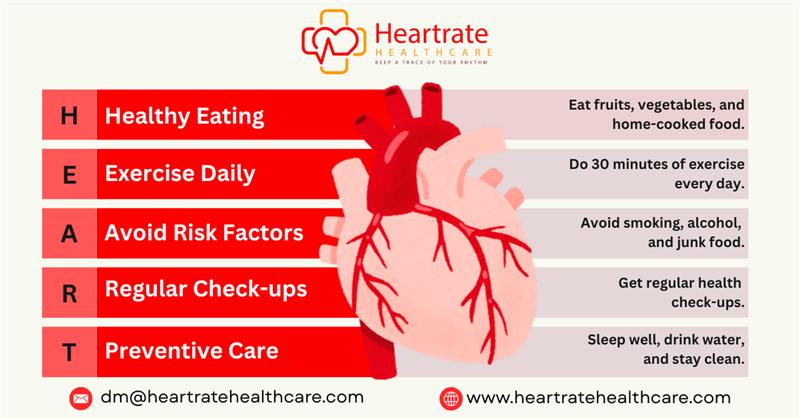
How to Maintain a Healthy Heart Rate
Simple lifestyle changes can help regulate your heart rate:
Exercise regularly (walking, yoga, cardio)
Maintain a balanced diet
Stay hydrated
Reduce stress through meditation
Get adequate sleep
Avoid smoking and excess alcohol
A healthy lifestyle plays a major role in keeping your heart rate stable.
Heart Rate and Modern Healthcare Technology
With advancements in healthcare technology, heart rate monitoring has become more accessible. Wearable devices, mobile apps, and remote patient monitoring systems now allow real-time tracking, improving early diagnosis and preventive care.
At Heartrate Healthcare (HRHC), we support healthcare organizations by offering digital healthcare marketing, patient engagement solutions, and medical content services that meet global standards.
Why Choose Heartrate Healthcare (HRHC)?
Heartrate Healthcare (HRHC) is a trusted healthcare solutions provider offering:
Healthcare digital marketing
Medical content & SEO services
Patient engagement strategies
BPO & healthcare support services
International healthcare branding
Our goal is to help healthcare businesses grow while educating patients with accurate and ethical information.
Conclusion
Understanding your Heart Rate is essential for maintaining good cardiovascular health. Regular monitoring, healthy habits, and timely medical advice can significantly reduce health risks. Whether you are a patient, healthcare provider, or healthcare brand, accurate information and digital solutions matter.
Heartrate Healthcare (HRHC) is committed to supporting global healthcare growth through innovation, education, and trust.